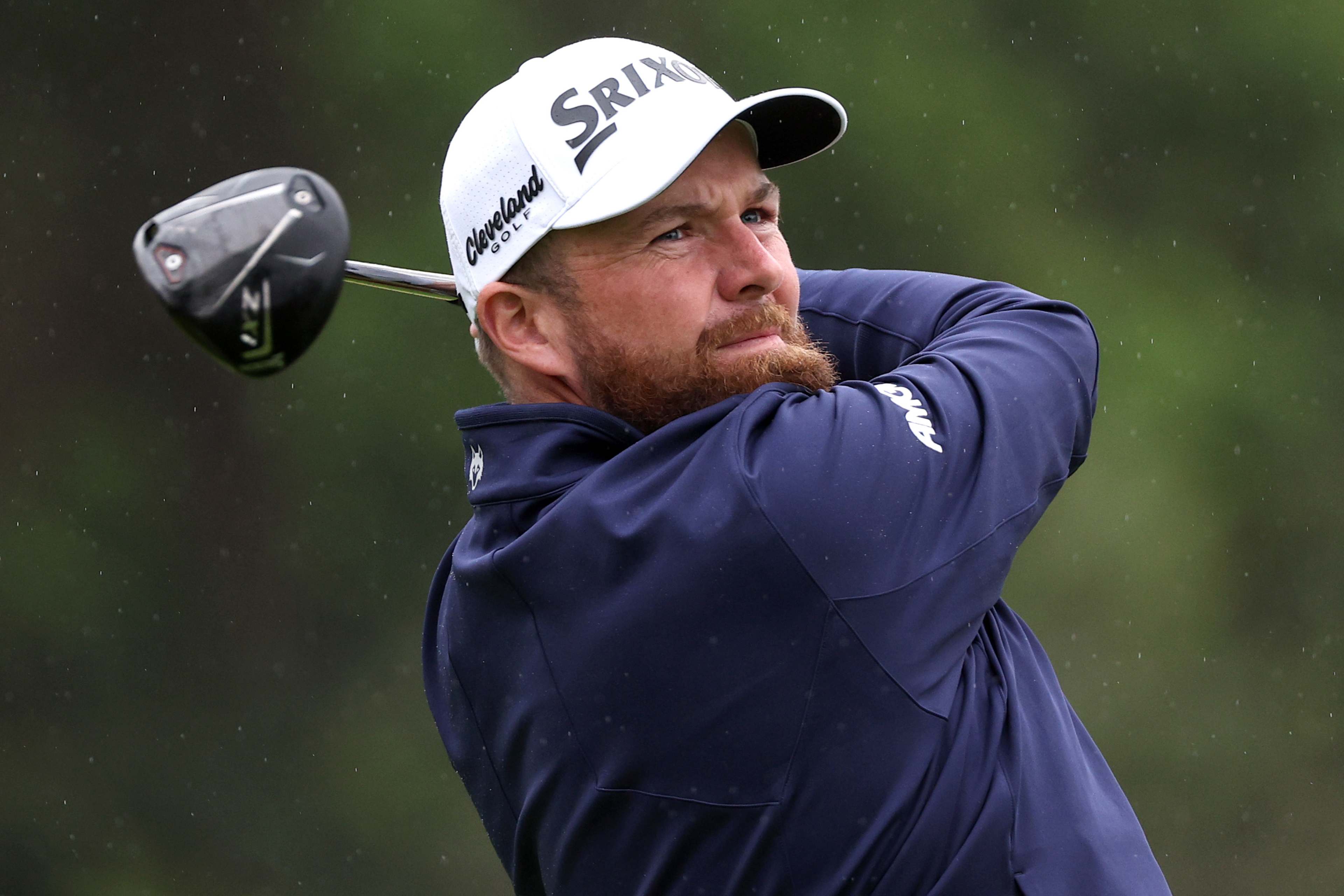
Horses for Courses: With water in play at PGA National, look to longshots
7 Min Read

Golfbet tip: Bet early wave in the first round at Cognizant Classic
Players in Article
Players in This Article
After a stint on the West Coast, the PGA TOUR heads down south to Palm Beach Gardens for the Cognizant Classic in The Palm Beaches to kick off the first leg of the Florida swing.
The transition from Poa annua to Bermudagrass and from expansive driving courses to water-lined landing areas introduces a completely different test for the field. PGA National has historically neutralized some of the game’s longest hitters while elevating those who can keep the ball in play and attack pins with outstanding iron play.
It’s also one of the few stops on TOUR where volatility tends to be driven more by the golf course than by the strength of the field. History has shown that the margin for error off the tee is slim. Playing out of position here usually carried a heavy penalty, and the course often played firm and fast. The combination of both made this tournament feel like a bear to play, especially when the wind picks up.
Nowhere is that challenge more apparent than in the Bear Trap, the famed three-hole stretch that spans from Nos. 15-17. Much like Amen Corner at Augusta National or the Snake Pit at Innisbrook’s Copperhead Course, this closing gauntlet has become synonymous with the Champion Course at PGA National. Water is in play on all three holes, and with the wind often swirling late in the round, even the best players in the world are extra cautious in order to survive that stretch without dropping a shot.
However, in recent years, PGA National has begun to show signs of yielding. In years prior, the winning score typically hovered around 9-under, but over the last two editions, that number has jumped to 17- and 19-under.

Joe Highsmith’s winning highlights from Cognizant Classic
In an interview last year, Billy Horschel pointed to two primary changes that have allowed players to take a more aggressive approach. The rough is no longer as penal, and the ryegrass overseed has softened the playing surfaces, making the course far more scoreable than when it played as straight Bermudagrass. The data supports that claim. While there remains a clear advantage to playing from the fairway, the penalty for missing a fairway has dropped considerably in recent seasons.
Regardless of how the course is staged, that volatility mentioned earlier even carries over to the outright winners. There are very few tournaments on TOUR that produce higher-odds winners. Since 2010, the average winning price has closed at +12100, with three of the last four champions entering the week at +11000 or longer.
To understand how both outcomes can exist on the same layout, it’s worth taking a closer look at the design itself.
PGA National’s Champion Course is a par-71 course that measures 7,223 yards and features a traditional parkland setup designed by George and Tom Fazio, later redesigned by Jack Nicklaus.
Much of that volatility stems from the weather and the sheer amount of water throughout the layout. Fifteen holes feature water in play, creating constant risk even as scoring opportunities are abundant. Three par 4s measure under 390 yards, and all three par 5s have a birdie average of over 48%.
It’s no longer the ferocious setup it once was, but as evidenced by Jake Knapp's 59 here last season, it has become a venue where players can get hot with their irons, attack pins, and go low.
Approach play has proven to be the primary separator in recent years, as players who typically struggle on the greens have still found success here when their iron play is sharp enough to generate consistent birdie chances.
With that in mind, here’s a look at the top players in Strokes Gained: Approach over their last 12 rounds entering this week (data via RickRunGood.com).
Strokes Gained: Approach
1. Austin Smotherman
2. Carson Young
3. Ryan Gerard
4. Brooks Koepka
5. Shane Lowry
6. Marty Dou
Austin Smotherman (+13500) is a name on this list worth considering if you’re shopping for a long shot. Smotherman can tear the cover off a golf ball. He’s proving to be an elite ball striker, but his biggest weakness comes from the putter. Through his first four starts this season, he’s gained strokes on approach in each appearance while losing strokes on the greens in all four as well. He’s missed three of four cuts, but at a volatile event like this, it’s often the high-variance golfers that carry the most upside.
Of the golfers on that list, Ryan Gerard (+1850) is the most compelling. The price is on the shorter side, but it reflects both his recent form and his fit for this layout. As a Jupiter resident, familiarity with PGA National should work in his favor, and he’s been playing some excellent golf of late. Between Dec. 21 and Jan. 25, he posted three consecutive worldwide runner-up finishes. He’s also gained strokes on approach in four of his last five starts and already owns a top-five finish at this event.
Now that we’ve highlighted a few players who could find success this week, it’s worth examining where things can go wrong. With such a strong emphasis on approach play, that’s the first place to start. Golfers who aren’t entering the week with sharp iron numbers should receive a slight downgrade in this field.
Another area to consider is performance on courses where water is in play on most holes. Players who have historically lost strokes on layouts that penalize wayward shots tend to see those issues surface again at PGA National.
Finally, it’s important to evaluate how players perform in lower-scoring events. With winning scores trending upward in recent years, metrics like Birdie or Better Percentage and Strokes Gained: Total in easier scoring conditions could provide valuable insight into who might struggle to keep up with the rest of the field.
Here are the lowest-ranked golfers in each of those metrics:
| Rank | Strokes Gained: Approach | Strokes Gained: Total (High Water Danger) | Birdie or Better Percentage | Strokes Gained: Total (Very Easy Scoring) |
| 1 | Brendon Todd | Brendon Todd | Pontus Nyholm | Brendon Todd |
| 2 | Justin Hicks | Cam Davis | Jeffrey Kang | Christo Lamprecht |
| 3 | Gordon Sargent | Frankie Capan III | Brendon Todd | Frankie Capan III |
| 4 | Pontus Nyholm | Nick Dunlap | Brooks Koepka | Peter Malnati |
| 5 | Matti Schmid | Rafael Campos | Hank Lebioda | Camilo Villegas |
| 6 | Garrick Higgo | Paul Waring | Chandler Blanchet | Rafael Campos |
*Minimum of five qualified rounds
Neal Shipley is +132 to win his Round 1 three-ball matchup over Jimmy Stanger and Jeffrey Kang on DraftKings. None of the three entered the week in strong form, as both Stanger and Kang have missed the cut in all four of their starts this season, while Shipley has missed three of four.
From a course fit standpoint, Shipley projects as the better match for PGA National. With many of the golfers highlighted earlier not available in head-to-head or fade-friendly markets, this presents a potential opportunity to capitalize on a modest matchup edge.
Best value on the board
Shane Lowry Top 20, +105 (DraftKings)
I know this column has leaned heavily into volatility and long shots, so there may be some hesitation when it comes to backing one of the tournament favorites in the placement market. In this case, there’s a very strong reason to do so.
Few players in this field can match Shane Lowry’s course history at PGA National. In his last four appearances here, he’s finished no worse than T11. Before last season, he recorded three consecutive top-five finishes, including a runner-up in 2022, where he held the 54-hole lead before the weather shifted in the final round.
What stands out most across those four trips is his approach play. Lowry has gained at least 5.0 strokes on approach in each of those starts, highlighted by a +7.1 performance with his irons during that 2022 runner-up finish.
He also enters the week in solid form, posting five top-20 finishes across his last six events. More importantly for this course, he’s gained strokes on approach in each of those starts, including a +11.4 showing at the Dubai Invitational.
There’s also the comfort factor. As a Jupiter resident, Lowry gets the benefit of treating this as a home game. That familiarity, combined with his track record at this tournament, should have him expecting to contend. Anything less than contending on Sunday would likely feel like a missed opportunity, which makes his plus-money price to finish inside the top 20 particularly appealing.