How to bet on U.S. Open smartly, responsibly
3 Min Read

Responsible gaming
Editor’s note: Birches Health is a leading national provider of Responsible Gaming resources and Problem Gambling treatment, offering clinical care covered by insurance and state government funding.
The 126th edition of the U.S. Open is set to take place this week at historic Shinnecock Hills Golf Club in Southampton, New York. The third of four majors on the calendar, this year's event runs June 18-21 and marks the sixth time that Shinnecock Hills has hosted the U.S. Open, most recently in 2018 when Brooks Koepka successfully defended his title.
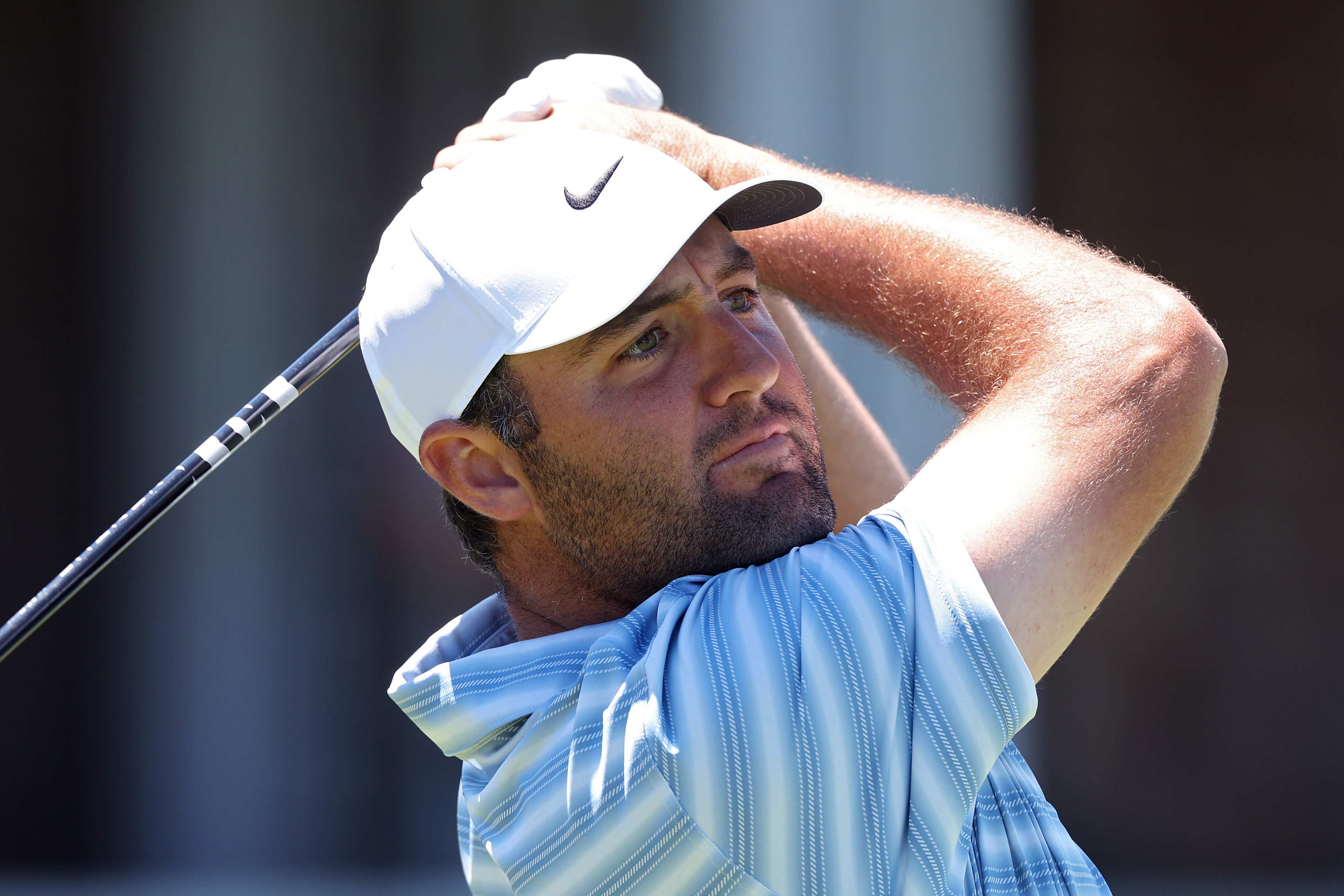
This week's tournament features a stacked field, headlined by strong betting favorite Scottie Scheffler (+550 at FanDuel Sportsbook) and back-to-back Masters winner Rory McIlroy (+1200).
As the excitement builds and discussions about Shinnecock's tough test continue, many fans are looking forward to placing wagers on their favorite golfers. However, it's important to approach betting with caution and a measured approach, especially for major events like the U.S. Open.
Tips for betting smartly and responsibly on the U.S. Open
Betting on golf in general, and in particular a prestigious tournament like the U.S. Open, demans a careful approach to ensure you enjoy the experience responsibly. Let's run through some important Responsible Gaming tips for U.S. Open betting.
- Research the tournament: Take time to learn about the course layout, how it may favor certain skill sets, players’ past performances at Shinnecock or similar style courses and current form. And those are just some of the “table stakes” areas to research before betting on the U.S. Open.
- Set a budget: Determine how much money you are willing to risk on U.S. Open betting and stick to it. Wagering options are available throughout the tournament, not just before it, so be sure to save a portion of your planned bankroll for live betting opportunities if you plan to add wagers during play. Your betting budget for the U.S. Open should be an amount that you’re comfortable losing completely, with no impact on your financial well-being. Many bettors assume incorrectly that at least some of their wagers will win, but that’s not always the case, so planning for the worst-case scenario ahead of time is critical.
- Diversify your bets: Instead of placing all your money on one golfer, consider spreading your wagers across multiple bet types. This can help manage risk and decrease the likelihood of losing all of them.
- Avoid chasing losses: If you lose a bet, don't try to recover your losses by placing more or larger bets, a concept known as “chasing losses.” Stick to your original betting strategy and budget.
- Stay informed: Keep up with the latest news and developments in the tournament. Injuries, weather conditions and other factors can significantly impact performance.
- Don’t bet more just because it’s the U.S. Open: It’s easy to get swept up in the excitement of a major tournament like the U.S. Open, so it’s important to not let the magnitude of the event impact your risk levels. If you regularly bet on golf tournaments, you should stick to your standard betting budget for the U.S. Open. Overextending with larger bets than usual is very risky and can result in significant losses.
Other Responsible Gaming best practices
Beyond golf-specific tips, here are some general Responsible Gaming best practices:
- Know the risks: Understand that betting is inherently risky, and there are no guarantees of winning. In fact, there is a notable “house edge” in sports betting, with sportsbooks’ odds designed for users to lose in the long term.
- Take breaks: It can be difficult to channel your energy into other activities when a highly anticipated event only takes place over a weekend, but don’t let betting on this event consume your entire Thursday-Sunday schedule. Be sure to take breaks and engage in other social activities to maintain balance.
- Seek help if needed: If you find yourself becoming preoccupied with betting, it may be time to assess your gambling behaviors by speaking with a specialist. There are many resources and specialized treatment options for those who may be struggling with gambling-related challenges, including from our partners at Birches Health.
Is it legal to bet on the U.S. Open in New York?
New York has offered regulated online betting for more than four years. If you are located in the host state of this year’s U.S. Open or plan on attending the event, betting on the U.S. Open is permitted at the online sportsbooks currently licensed in the state. If you do bet, be sure to place your wagers through legal and regulated platforms only - to ensure your safety and security.
Where else is it legal to bet on golf?
Sports betting has expanded significantly in the United States, with 39 states and Washington, D.C. having legalized it in some form. Over 30 locations now offer online/mobile sports betting, allowing users to place bets from their phones or computers. Each state has its own regulations, so it's important to check the specific laws in your area.
The locations with mobile sports betting include: Arizona, Arkansas, Colorado, Connecticut, Delaware, Florida, Illinois, Indiana, Iowa, Kansas, Kentucky, Louisiana, Maine, Maryland, Massachusetts, Michigan, Missouri, Nevada, New Hampshire, New Jersey, New York, North Carolina, Ohio, Oregon, Pennsylvania, Rhode Island, Tennessee, Vermont, Virginia, Washington D.C., West Virginia and Wyoming.
The states that only have in-person retail sports betting are: Mississippi, Montana, Nebraska, New Mexico, North Dakota, South Dakota, Washington and Wisconsin.
States that have NOT legalized sports betting in any form include: Alabama, Alaska, California, Georgia, Hawaii, Idaho, Minnesota, Oklahoma, South Carolina, Texas and Utah.
Problem gambling resources, care and treatment
If you or someone you know may be struggling with problem gambling, support resources are available to help. Birches Health offers specialized gambling addiction recovery programs, with costs usually covered by insurance or state funding for eligible residents. A nationwide team of specially trained, licensed therapists can help individuals on their path to recovery.
To connect directly with Birches Health, you can click here, call (833) 483-3838 or email help@bircheshealth.com.
If in-person group support is preferred, Gamblers Anonymous offers hundreds of meetings across the country.
Sports betting should seen as a way to add some additional excitement and rooting interests to the viewing experience for a great event, not as a profit-making venture.