



Titleist's new GTS drivers take hold on TOUR with immediate results

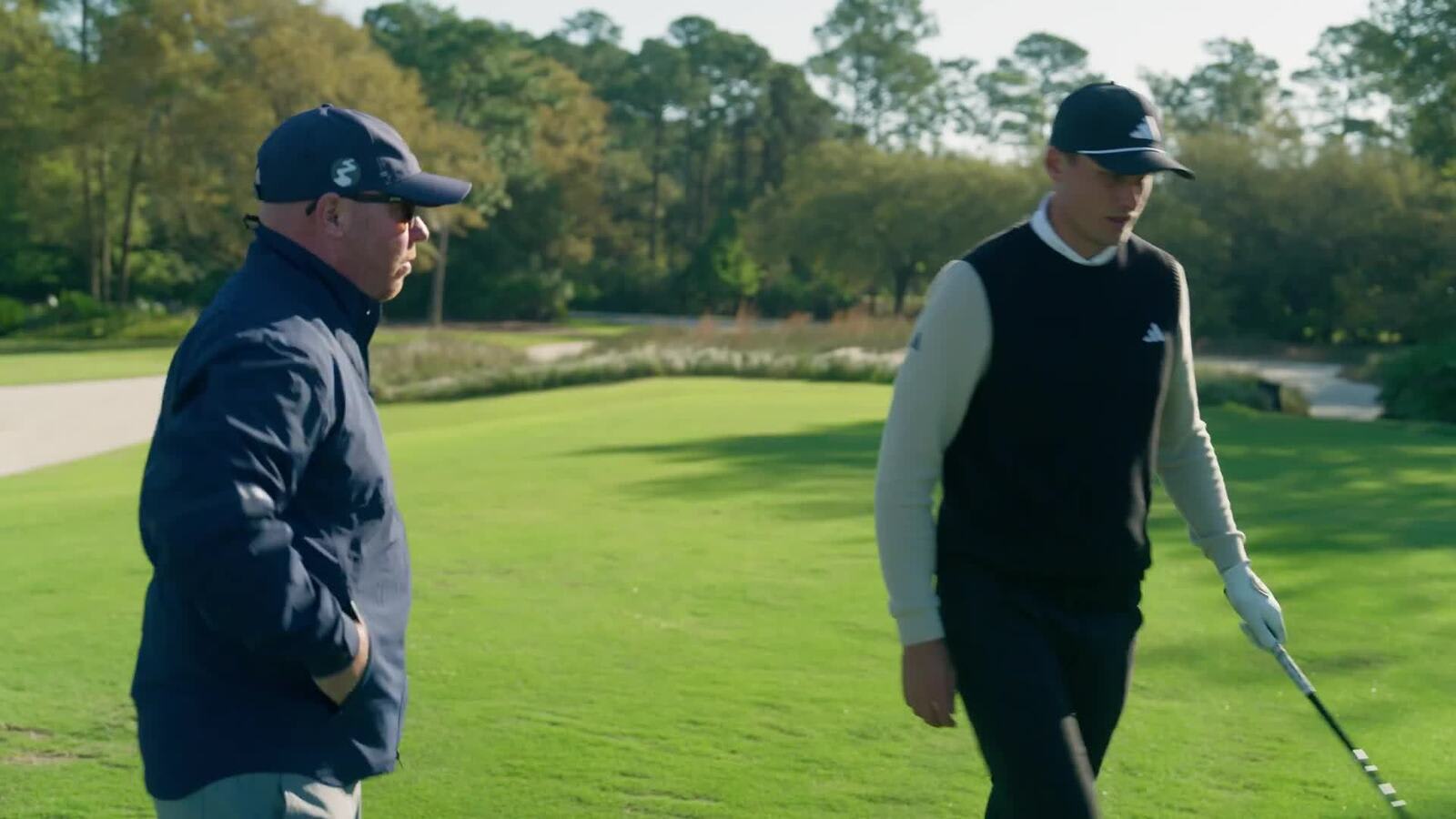
One player at a time | Inside Titleist's new GTS driver fittings
Golfers, like other professional athletes, are creatures of habit.
Like Aaron Judge’s in-game gum-chewing routine, golfers can be obsessively particular and repetitive with everything from how they mark their ball and read greens to their bag makeup and pre-shot routines.
These methodical maneuvers instill confidence and calm. Deviating from routine can cause chaos and confusion. Making any significant change, especially to their clubs – an extension of a golfer’s body and swing – isn’t done without meticulous testing, trialing and number-crunching.
“Our goal for players is to help them play better,” Titleist senior director of player promotions JJ Van Wezenbeeck said. “How do we get in front of as many players as we can? Our philosophy is fitting.”
Earlier this year, Van Wezenbeeck hit the road to make personal home visits to players including J.T. Poston, Brian Harman, Ludvig Åberg and Russell Henley to showcase the new lineup of Titleist GTS drivers.
Understanding every player is different – from swing mechanics to shot shape and spin rates – Van Wezenbeeck and his team focus on three key areas when fitting a player: centering contact, optimizing flight path and spin and fine-tuning start lines and shot shape.
The new GTS lineup of drivers, including the GTS2, GTS3 and GTS4, offers a variety of personalized options for each golfer to create consistency, build confidence, and get every possible yard out of a player’s individual swing.

Titleist's GTS2, GTS3 and GTS4 drivers. (Courtesy Titleist)
“GTS is like a toy store for fitters,” Van Wezenbeeck said. “Whatever performance a player wants to see, everyone can get their wish list with GTS.”
Debuting on TOUR at the Texas Children’s Houston Open in late March, the highly anticipated sequel to the popular Titleist GT driver, the GTS lineup has become a welcomed addition to the bags of 60+ PGA TOUR players, including Justin Thomas, Jordan Spieth and Cameron Young.
Spieth’s switch to a GTS2 hasn’t only helped him gain more distance with his driver, but he’s also improved over 40 spots in SG: Off-the-Tee since putting the new driver in play at the Cadillac Championship. Since making the switch this year, Thomas has seen stark improvements in SG: Off-the-Tee, Total Driving, Driving Distance and Driving Accuracy compared to 2025, including averaging 3.9 more yards off the tee with the GTS.
The quick adoption and positive results piqued the curiosity of other TOUR players, who summoned Van Wezenbeeck and his team of club builders to get them properly equipped with the new GTS lineup.
“The hottest driver in golf,” according to GOLF.com, recorded its first PGA TOUR victory the same week as Poston outlasted Ryan Gerard in a sudden-death playoff to win at Muirfield Village Golf Club in Dublin, Ohio.
Trailing by one stroke on the 72nd hole, Poston hit a 314-yard drive down the right side of the fairway with his GTS3 to set up a 162-yard, 8-iron shot he landed 7 feet, 5 inches from the hole as his ensuing birdie putt forced the playoff.
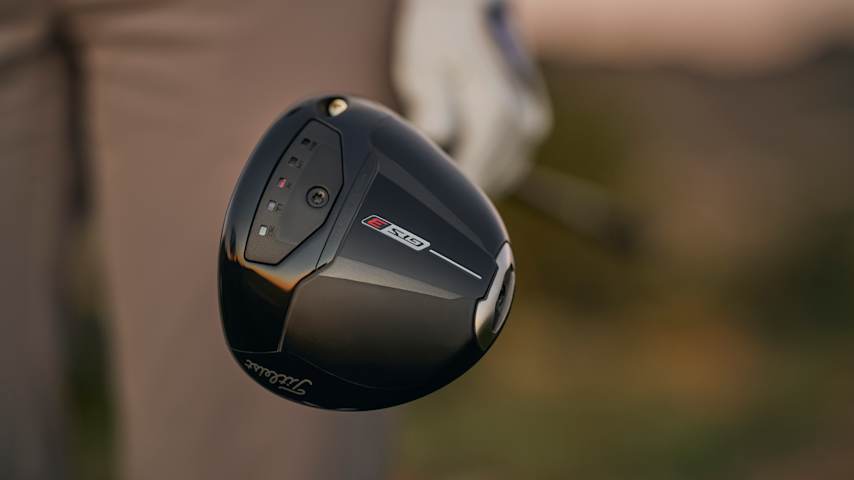
A profile view of the Titleist GTS3 driver. (Courtesy Titleist)
Bud Cauley's win at the RBC Canadian Open the following week gave the GTS driver back-to-back wins on the PGA TOUR.
So what makes the GTS lineup so popular?
Building upon the performance foundation set by its predecessor, the GT Series, the GTS introduces several major technological advancements, highlighted by a new Split Mass Frame construction, refined aerodynamics and an updated Speed Sync face design.
The foundation for Titleist’s new GTS driver is built around a full thermoform body comprised of Proprietary Matrix Polymer (PMP), a lightweight composite that allows engineers to more effectively and efficiently distribute mass among the head.
This expanded multi-material construction increases PMP surface area by 58%, creating an unheard-of amount of discretionary mass for engineers to work with, specifically concentrating mass at opposite ends of the clubhead and creating what they call a “barbell effect.”
Pushing weight rearward improves stability and forgiveness, while additional mass positioned low and forward optimizes speed, launch and spin. Expanded PMP construction also allowed Titleist engineers to further pursue their aerodynamic goals. Optimizing contours, joint efficiency and surface transitions, the GTS reduces drag and maintains speed through the swing.
Internal architecture and aerodynamic shaping, coupled with a new Dual Weighting System, separate the GTS from the rest of the pack.
“We look at GT as the driver that unlocked the door for us – and now GTS blows it wide open,” said Stephanie Luttrell, director of metalwood product development.
Titleist has been the most-played driver brand on the PGA TOUR for the past seven seasons and could make it eight straight thanks to 11 wins on TOUR since March 9 and the quick adoption of the new GTS lineup.


